Iran's Strategic Grip on the Strait of Hormuz: Understanding the Implications
Geopolitical Context
The Strait of Hormuz is approximately 90 nautical miles long and 20-30 miles wide, making it a critical passage for oil tankers and other vessels. Iran's proximity to the strait, coupled with its historical and ongoing disputes with Western nations, has raised concerns about the potential for conflict. The region's complex geopolitics are further complicated by the presence of the United States and other nations, which have historically sought to maintain a strong military presence in the area to ensure the free flow of oil.

Iran's Military Capabilities
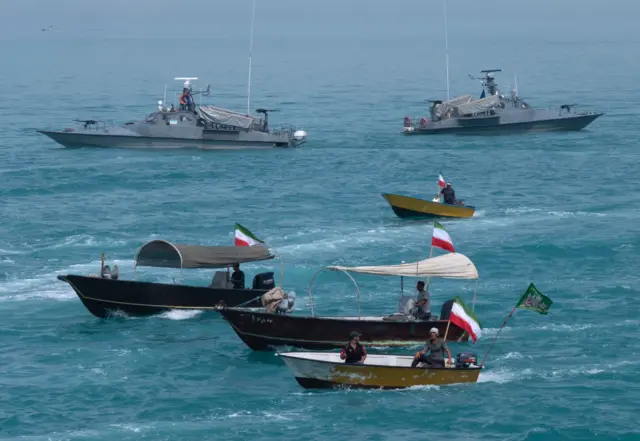
Iran has invested heavily in its military capabilities, particularly in its naval and missile defense systems. The country has developed a range of short- and long-range missiles, including the Shahab-3 and Sejil, which are capable of targeting ships and other vessels in the strait. Additionally, Iran has developed a network of naval bases and surveillance systems along its coastline, allowing it to closely monitor and respond to any potential threats in the region.
Implications of a Blockade
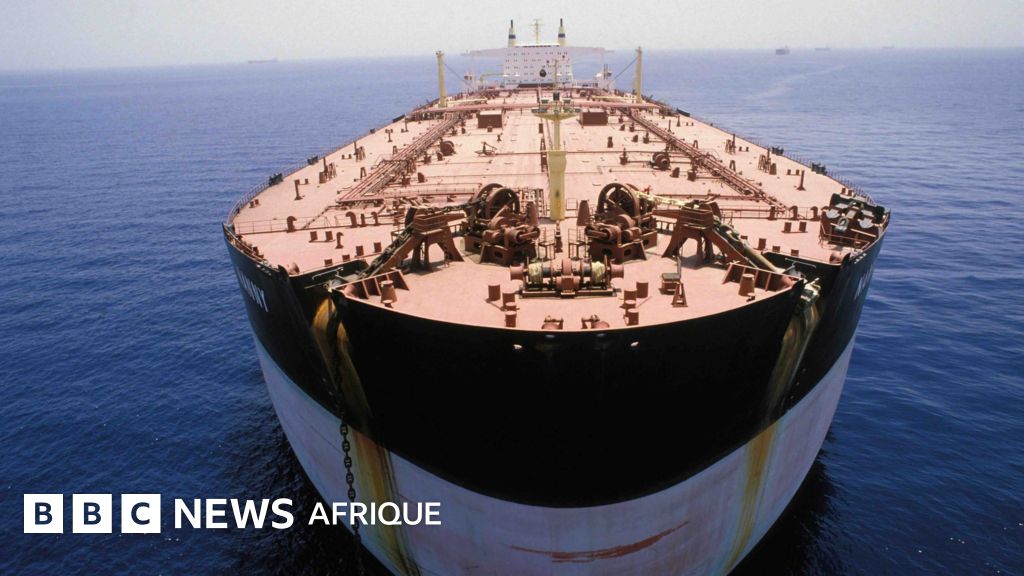
A blockade of the Strait of Hormuz by Iran would have significant implications for global energy markets. The resulting disruption to oil supplies would likely lead to a surge in oil prices, potentially destabilizing the global economy. Additionally, a blockade would also have a major impact on international trade, as many countries rely on the strait for the transportation of goods and commodities. The potential for conflict in the region would also raise concerns about the safety of international shipping and the potential for environmental damage.
International Response
In response to concerns about Iran's potential to disrupt the Strait of Hormuz, the international community has taken steps to ensure the continued free flow of oil through the region. The United States and other nations have maintained a strong military presence in the area, and have worked to develop alternative shipping routes and strategies to mitigate the impact of a potential blockade. Additionally, international organizations such as the International Maritime Organization (IMO) have implemented measures to enhance maritime security and reduce the risk of conflict in the region.
Le Détroit D'Ormuz : L'Iran Peut-il Fermer Le Détroit Et Quelles

Le détroit d'Ormuz : L'Iran peut-il fermer le détroit et quelles ...
Le Détroit D'Ormuz : L'Iran Peut-il Fermer Le Détroit Et Quelles
Le détroit d'Ormuz : L'Iran peut-il fermer le détroit et quelles ...
Le Détroit D'Ormuz : L'Iran Peut-il Fermer Le Détroit Et Quelles

Le détroit d'Ormuz : L'Iran peut-il fermer le détroit et quelles ...