Iran's Grip on the Strait of Hormuz: A Critical Chokepoint
Geopolitical Context
The Strait of Hormuz has long been a source of tension between Iran and the West, with the United States and its allies relying heavily on the waterway for oil imports. Iran's control over the strait gives it significant leverage in negotiations with other countries, and its ability to disrupt oil supplies could have far-reaching consequences for the global economy. 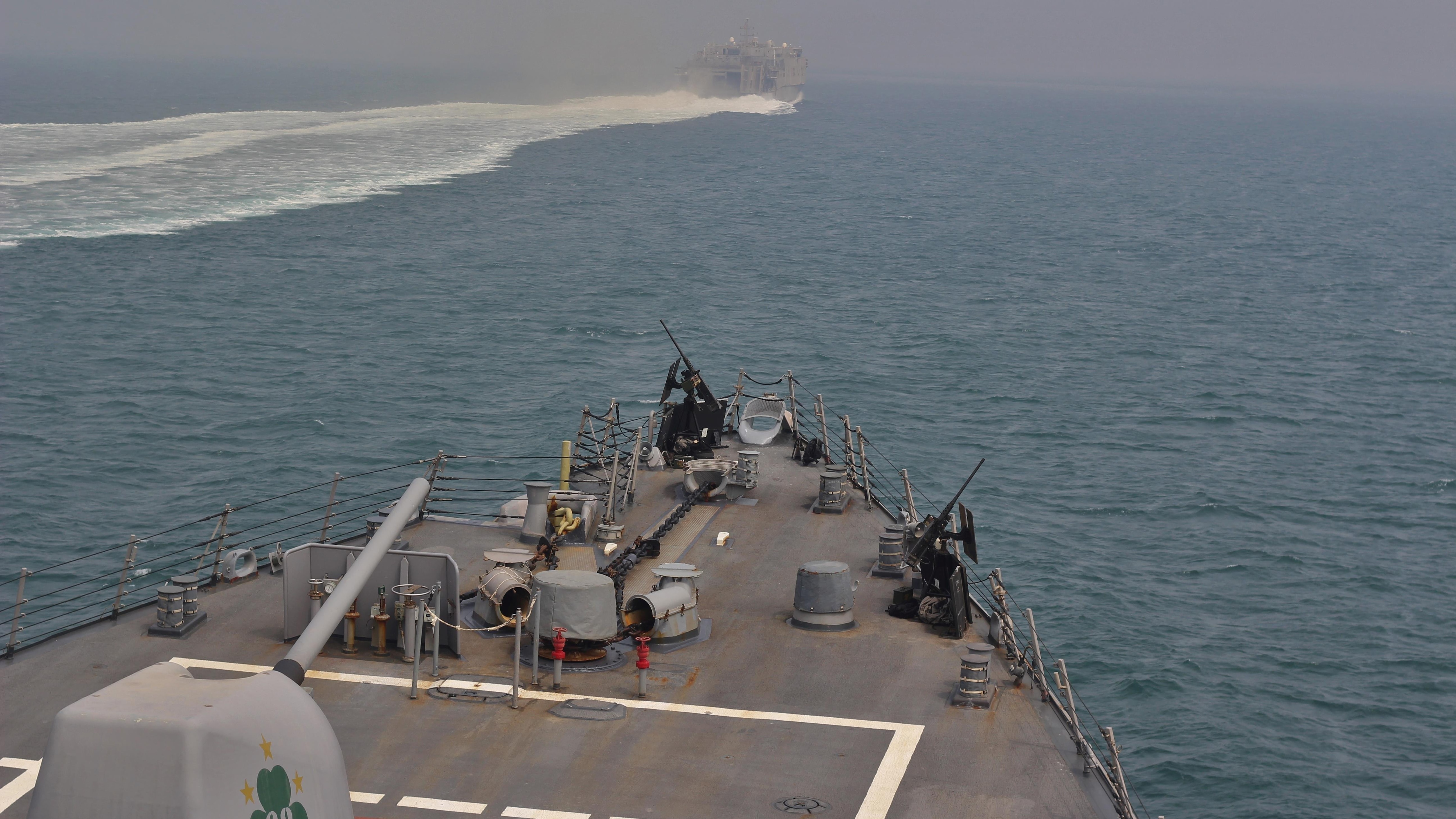
Details of the Control
Iran's claim of total control over the Strait of Hormuz is backed by its significant military presence in the region. The country has a large fleet of warships, submarines, and patrol boats that are capable of enforcing its will in the strait. Additionally, Iran has developed a range of anti-ship missiles and other military capabilities that could be used to target vessels passing through the waterway. 
Implications for Global Trade
The implications of Iran's control over the Strait of Hormuz are far-reaching and significant. Any disruption to oil supplies passing through the strait could lead to a spike in oil prices, which would have a cascading effect on the global economy. Additionally, the strait is an important route for international trade, with many countries relying on it to transport goods such as containerized cargo and bulk commodities. Any restrictions on the use of the strait could lead to significant delays and increased costs for importers and exporters. The international community will be watching the situation closely, as any escalation of tensions in the region could have serious consequences for global stability and security.
L'Iran Dit « Contrôler Totalement » Le Détroit D'Ormuz | Radio-Canada
;Composite=(type=URL,url=https://images.radio-canada.ca/v1/assets/elements/16x9/outdated-content-2018.png),gravity=SouthEast,placement=Over,location=(0,0),scale=1)
L'Iran dit « contrôler totalement » le détroit d'Ormuz | Radio-Canada
Iran: Fermer Le Détroit D’Ormuz Serait «extrêmement Dangereux» - Lematin.ch

Iran: Fermer le détroit d’Ormuz serait «extrêmement dangereux» - lematin.ch
Un Oléoduc Pour Contourner Le Détroit D'Ormuz | Radio-Canada
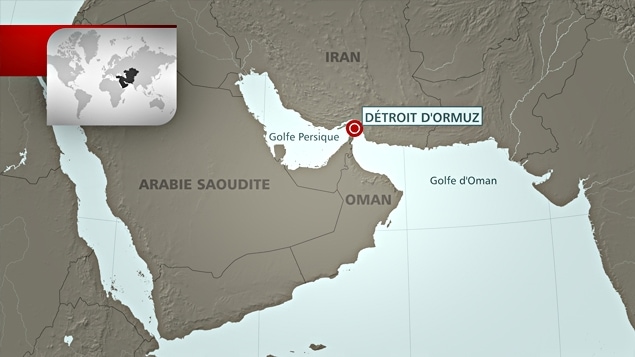
Un oléoduc pour contourner le détroit d'Ormuz | Radio-Canada
Pourquoi Un Blocage Du Détroit D'Ormuz Entre L'Iran Et Le Golfe Aurait
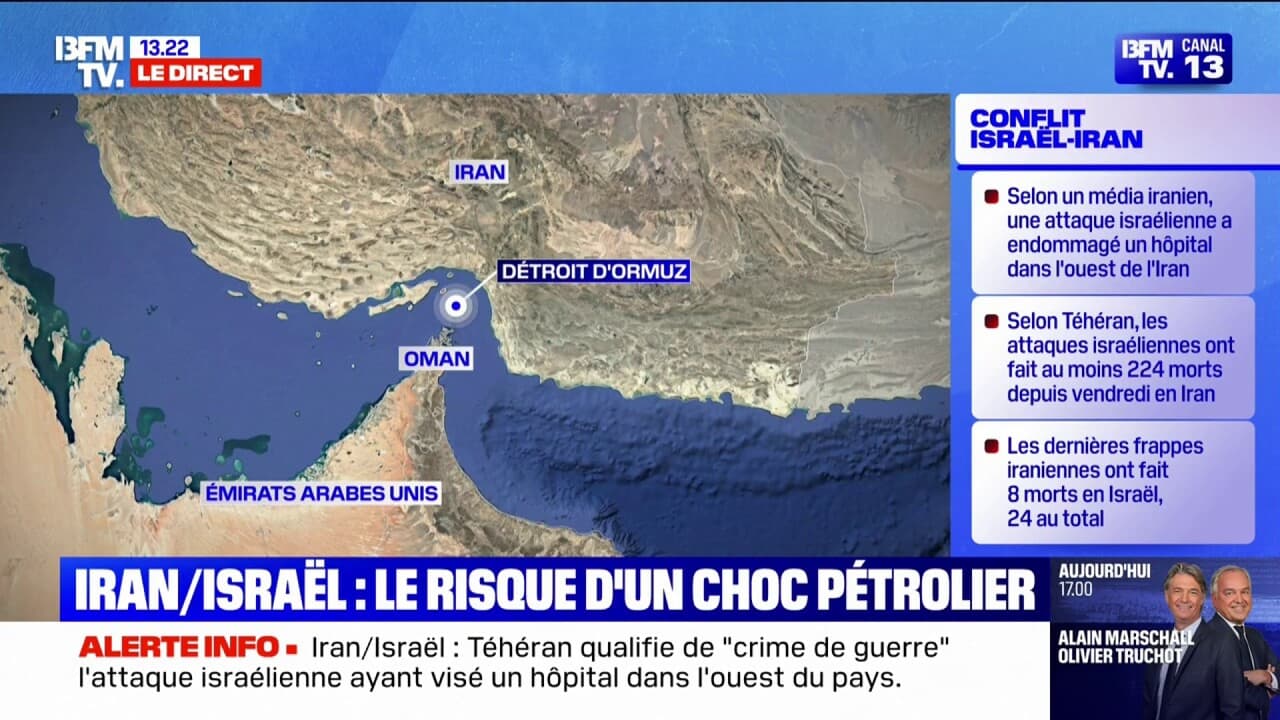
Pourquoi un blocage du détroit d'Ormuz entre l'Iran et le Golfe aurait ...